A Balcony Garden for the First Cool Weeks
A balcony garden for the first cool weeks: review plant needs, shift pots gradually and prepare for chilly nights without disrupting every container.
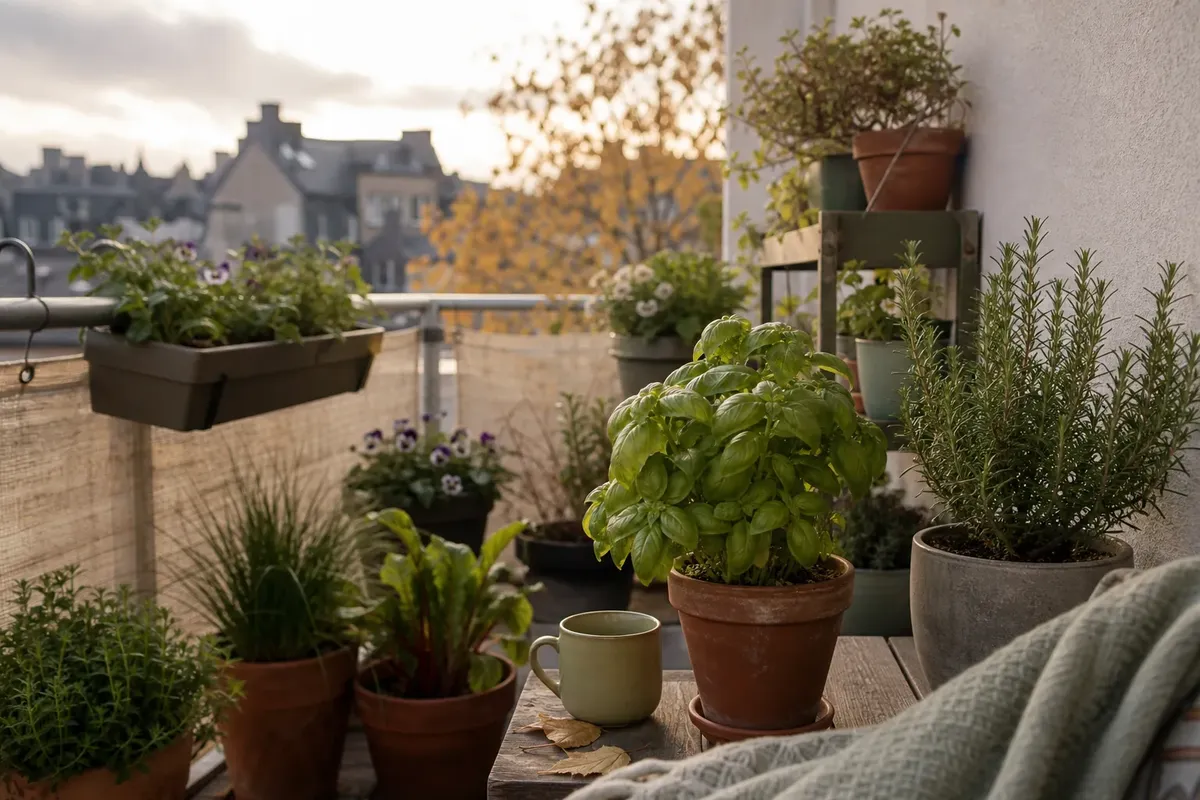
A balcony garden for the first cool weeks: review plant needs, shift pots gradually and prepare for chilly nights without disrupting every container.
Seasonal Shifts · 5 min read
A balcony garden for the first cool weeks often begins with a familiar small nuisance: the basil that looked comfortable at breakfast is leaning away from a cold evening draught by tea-time. The first cool spell is a cue to look closely, not to carry every pot indoors at once.
Seasonal changes on a balcony are uneven. A wall can hold warmth, a railing can catch wind, and a shaded corner may stay damp long after the sun has moved on. A few calm adjustments are usually more useful than a grand rearrangement.
What has changed on the balcony?
Notice the conditions the plants are actually experiencing. The calendar gives a rough prompt; leaves, soil and the balcony’s exposure offer more immediate clues.
- Light: Is a neighbouring building or the lower sun now casting a longer shadow across a pot?
- Wind: Are leaves flapping against the railing, or are stems leaning after a breezy day?
- Night chill: Does the corner beside the door feel markedly colder than the wall-facing shelf?
- Moisture: Is compost staying wet longer because cooler air and weaker sun slow drying?
Keep the observations simple. A note on your phone—“mint corner damp; chilli exposed”—can prevent a hurried move based on one chilly morning.
Which plants need attention first?
Start with plants whose needs are least compatible with the new conditions. Tender herbs such as basil, along with many summer bedding plants, can be sensitive to cold. Hardy herbs and established leafy plants may be more comfortable outside, particularly in a sheltered position.
Check the plant label or the supplier’s care guidance for cold sensitivity. A plant’s name alone does not tell you how it will fare in your particular balcony’s wind, shelter and exposure.
Look for signs of stress rather than treating every change in appearance as an emergency. A plant that has stopped producing new growth may simply be responding to the season. Soft, darkened foliage after a cold night, by contrast, calls for closer attention and a more protected position.
Sort pots into three practical groups: those that can stay where they are, those worth shifting to shelter, and those that may need to come indoors if conditions worsen. That small sorting exercise keeps the whole balcony from becoming a moving operation.
How should you rearrange pots gradually?
Move one group at a time, starting with the most exposed tender plants. A spot near a wall or behind a sturdy screen may reduce wind without depriving a plant of the light it still needs. Avoid pushing pots into a dark corner simply because it feels sheltered.
Try the new position for a few days and watch how the plant responds. If it is still receiving suitable light and the compost is not staying sodden, the move may be helping. If leaves turn towards the brighter side or growth becomes weak, reconsider the position rather than adding another change immediately.
Say you have a basil pot on an open railing and a rosemary pot near the wall. You could move the basil to the sheltered wall-side spot and leave the rosemary in place, then observe their foliage and the compost after the next cool spell. The expected visible result is a clearer sense of which position suits each plant, without shifting the entire collection on guesswork.
Keep a clear route to the door and avoid stacking pots where drainage water can run onto a neighbour’s balcony. A tidy arrangement is useful; a miniature obstacle course is not.
What should you do with compost and watering?
Cooler weather changes the rhythm of container care. Compost may take longer to dry, especially in a shaded spot or inside a decorative outer pot that holds runoff. Check the surface and the moisture below it before watering, rather than following a summer routine out of habit.
Remove fallen leaves from the compost and clear blocked drainage holes where you can do so safely. Standing water is unwelcome in many containers, and a wet saucer can keep roots damp for longer than intended.
There is no need to repot every plant just because the season has turned. Disturbance is useful when a container is clearly failing or a plant needs a suitable change of position; otherwise, careful observation is often the gentler choice.
What do balcony gardeners ask as the weather cools?
Should I bring every plant indoors?
No. Some plants tolerate cool outdoor conditions better than others, and indoor rooms may offer poor light or warm, dry air. Check individual needs and bring in only plants that need the extra protection.
When should I move a tender plant?
Use the plant’s care guidance and keep an eye on local forecasts, especially when a cold night is expected. A sheltered outdoor position can be a useful first adjustment if the plant does not yet need to come inside.
Can I prune plants before winter?
That depends on the plant and the kind of pruning. Avoid a general tidy-up that removes healthy growth without a clear reason; consult the plant’s care guidance before making substantial cuts.
How do I keep pots from making the balcony cramped?
Group containers by their light and shelter needs, then leave clear access to doors, drains and the railing. If a pot no longer has a suitable place, consider giving it away rather than forcing it into an unsuitable corner.
What is worth leaving until later?
Some jobs can wait until you know how the first cool weeks are affecting the plants. There is little value in replacing compost, changing every pot’s position and cutting back healthy growth all at once. If a plant responds poorly, it is then harder to tell which change caused the trouble.
Keep the most useful notes: which corner catches wind, which wall holds warmth, and which plants need an early move indoors. Those details make next season’s decisions easier without turning balcony gardening into record-keeping.
For a balcony garden for the first cool weeks, make the first adjustment modest: protect the most sensitive plant, leave the rest where they are for now, and check again after the next spell of weather. A little patience is easier to carry than a stack of pots.